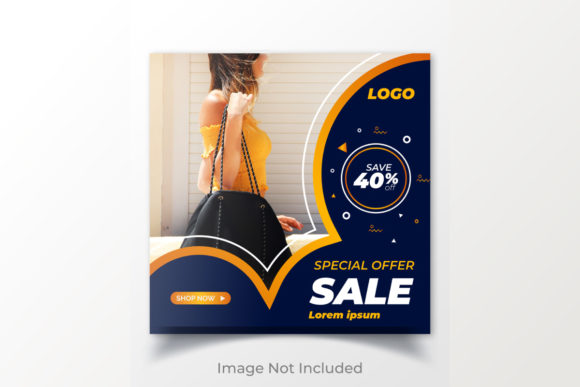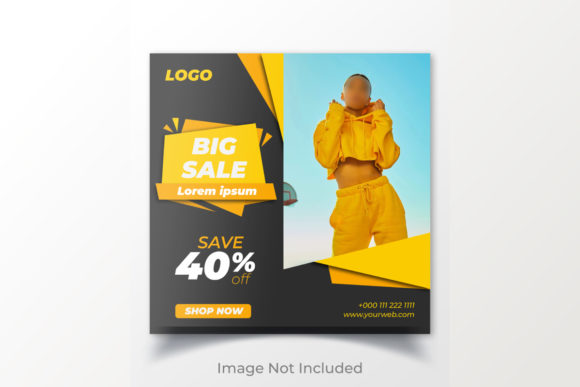
Elevating Your Brand with Professional Fashion Social Media Post Design
In the fast-paced world of digital marketing, the visual component of your brand is often the first interaction a potential customer has with your business. Whether you are a boutique owner, a corporate fashion retailer, or an independent stylist, the quality of your imagery dictates the perceived value of your products. This is where strategic Fashion Social Media Post Design becomes indispensable. It is no longer sufficient to simply upload a photo of a garment; the presentation must be curated, polished, and aligned with current aesthetic standards to cut through the noise of crowded feeds.
The modern consumer scrolls rapidly, making split-second decisions on what captures their attention. A clean, eye-catching banner or post acts as a digital storefront window. For corporate businesses and creative entrepreneurs alike, utilizing high-quality templates ensures consistency and professionalism without the need for extensive design resources. The shift towards visual-first platforms like Instagram and Pinterest has fundamentally changed how fashion is marketed, moving from static catalog images to dynamic, lifestyle-oriented content that tells a story.
The Evolution of Visual Storytelling in Fashion Marketing
Historically, fashion marketing relied heavily on print magazines and billboards, where production timelines were long and edits were costly. Today, the landscape has shifted dramatically toward agility and immediacy. Brands are expected to post daily, sometimes multiple times a day, to maintain engagement. This demand for constant fresh content has led to a surge in the popularity of editable social media post template designs. These tools allow marketers to adapt quickly to trending topics, seasonal changes, and flash sales while maintaining a cohesive brand identity.
The evolution of user expectations plays a significant role in this shift. Audiences today are visually literate; they can instantly distinguish between amateur snapshots and professional compositions. They expect clarity, balanced typography, and harmonious color palettes. When a business utilizes a well-structured Adobe AI EPS file for their posts, they are signaling competence and attention to detail. This level of polish builds trust, which is crucial when converting a casual scroller into a paying customer.
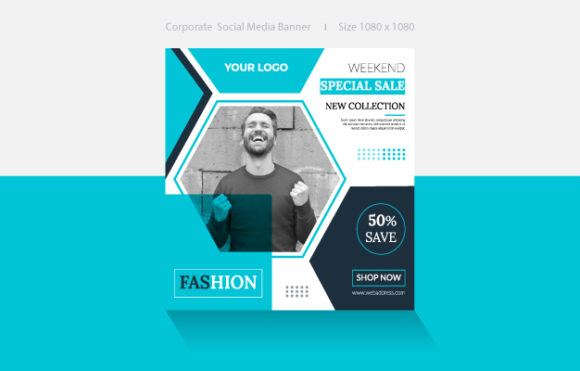
Furthermore, the rise of mobile commerce means that most users view content on small screens. Designs that work on a desktop may fail on a smartphone if the text is too small or the contrast is insufficient. Effective fashion social media design prioritizes legibility and impact at a glance. A standard size like 1080x1080 pixels has become the industry norm for square posts, optimizing the real estate on mobile devices and ensuring that images appear crisp and detailed regardless of the device used.
Why Customizable Templates Are Essential for Modern Workflows
For many business owners and freelancers, time is the most valuable resource. Hiring a graphic designer for every single post can be prohibitively expensive and logistically challenging. This is where the utility of easy-to-customize templates shines. A robust template provides a solid foundation, handling the complex aspects of layout, hierarchy, and spacing, while leaving the specific content—such as product photos, promotional text, and brand colors—in the hands of the user.
Consider a corporate business launching a new summer collection. Instead of starting from scratch for each announcement, the marketing team can use a master template. With just the very basics of Adobe Illustrator, a team member can swap out the placeholder images for high-resolution shots of the new line, update the text to reflect specific pricing or dates, and adjust the color scheme to match the season's palette. This workflow drastically reduces turnaround time, allowing brands to react swiftly to market trends.
The flexibility of these designs also supports A/B testing, a critical practice in digital marketing. By keeping the layout consistent but changing variables like headline fonts or background colors, businesses can gather data on what resonates best with their audience. An editable text feature allows for rapid iteration of copy, enabling marketers to test different calls to action or value propositions without redesigning the entire graphic.
- Consistency: Maintains a uniform look across all channels, reinforcing brand recognition.
- Efficiency: Reduces design time from hours to minutes, facilitating higher posting frequency.
- Accessibility: Empowers non-designers to create professional-grade content using basic software skills.
- Scalability: Easily adapts to different campaigns, holidays, or product launches without extra cost.
Navigating Technical Requirements for High-Quality Output
While the creative aspect of design is vital, understanding the technical underpinnings ensures that the final output looks as intended. When working with fashion social media post designs, file formats matter. The Adobe AI EPS file format is particularly valuable because it is vector-based. Unlike raster images that can become pixelated when resized, vector graphics maintain their sharpness at any scale. This ensures that logos, icons, and text remain crisp, even on high-density retina displays common in modern smartphones.
Color management is another critical consideration. Digital screens operate on the RGB (Red, Green, Blue) color model, which offers a wider gamut of colors than print. Ensuring your design file is set to RGB guarantees that the vibrant hues of a silk dress or the deep tones of a leather jacket are displayed accurately on social media platforms. It is important to note that while the template provides the structure and color placeholders, the actual product photos are typically not included in the main file. This allows users to insert their own proprietary imagery, ensuring that the specific lighting and styling of their brand are preserved.
Customization extends beyond just swapping images. The ability to edit all text elements means that the template can serve multiple purposes throughout the year. One week, the same layout might announce a "New Arrival," and the next, it could highlight a "Flash Sale" or share a "Style Tip." This versatility maximizes the return on investment for the design asset. Users only need a fundamental understanding of layers and text tools in Illustrator to make these adjustments, making professional design accessible to a broader range of creators.
Practical Strategies for Maximizing Template Potential
To get the most out of a fashion social media post template, one must approach customization with a strategic mindset. First, always prioritize high-quality photography. Even the best layout cannot save a blurry or poorly lit image. Since the template is designed to showcase visuals, ensure your photos are well-composed and relevant to the message. When inserting photos into the designated slots, pay attention to cropping; the focal point of the garment should always be central and unobstructed by text overlays.
Secondly, respect the hierarchy of information. In a 1080x1080 format, space is limited. Use the editable text fields to convey the most important message first—usually the offer or the product name. Secondary details, such as terms and conditions or website URLs, should be smaller but still legible. Avoid cluttering the design with too many fonts or competing colors. The "clean and eye-catchy" aesthetic mentioned in professional templates works best when there is ample negative space, allowing the viewer's eye to rest and focus on the key elements.
Finally, consider the context in which the post will be viewed. Fashion is inherently emotional and aspirational. Your design should evoke a feeling, whether it is the comfort of loungewear, the sophistication of evening wear, or the energy of street style. Use the color customization features to align with the mood of the collection. For instance, pastel tones might suit a spring campaign, while bold, high-contrast colors could drive urgency for a clearance event.
- Audit your assets: Gather high-resolution photos and brand hex codes before opening the template.
- Master the basics: Spend 15 minutes learning how to unlock layers and edit text boxes in Illustrator.
- Maintain brand guidelines: Ensure that any color changes stay within your established brand palette.
- Preview on mobile: Always check how the design looks on a phone screen before publishing.
- Iterate based on performance: Track which designs generate the most engagement and refine future posts accordingly.
The Future of Social Media Design for Business
As we look ahead, the integration of design and technology will only deepen. However, the core principle remains unchanged: clear, compelling communication wins. Tools that democratize design, such as editable EPS templates, are bridging the gap between professional agencies and small businesses. They allow for a level of sophistication that was once reserved for large corporations with massive budgets.
The trend towards authenticity in fashion marketing also influences design choices. While templates provide structure, the content within them must feel genuine. Consumers are increasingly drawn to behind-the-scenes content, user-generated photos, and realistic portrayals of clothing. A flexible template accommodates this by allowing easy insertion of diverse image types, from polished studio shots to candid lifestyle moments.
Ultimately, investing in a high-quality Fashion Social Media Post Design template is an investment in your brand's credibility. It streamlines your workflow, enhances your visual identity, and positions your business as a serious player in the digital marketplace. By leveraging these tools effectively, professionals and creators can focus less on the mechanics of design and more on the strategy of storytelling, driving meaningful connections with their audience in an ever-evolving digital landscape.