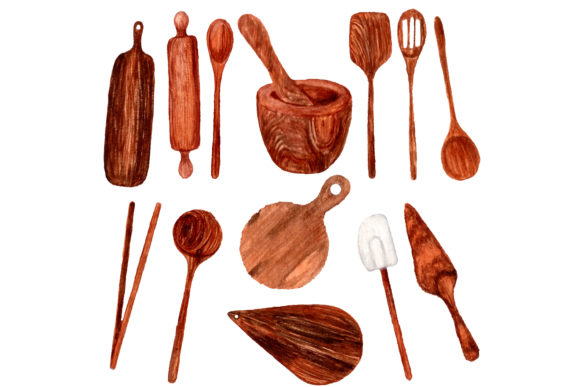
Kitchen Wooden Tools 1: Design Assets
Elevate your next creative project with the rustic charm and organic warmth that only authentic textures can provide. In a digital landscape often saturated with sleek, sterile vectors, introducing natural elements can instantly humanize a brand and create a deeper emotional connection with the audience. This is precisely where Kitchen Wooden Tools 1 becomes an invaluable resource for forward-thinking designers seeking to break away from the mundane.
From a professional graphic design perspective, this collection offers more than just imagery; it provides a foundational aesthetic for brands rooted in craftsmanship, sustainability, and heritage. Whether you are developing a visual identity for an artisanal bakery, a farm-to-table restaurant, or a eco-friendly product line, the included files—available in AI, EPS, SVG, and PNG formats—ensure seamless integration into any design workflow. The versatility of these assets allows you to scale graphics from massive outdoor billboards down to intricate mobile UI icons without losing fidelity or texture detail.
Strengthening Brand Identity Through Texture
In modern branding, authenticity is currency. Consumers are increasingly drawn to businesses that feel tangible and real. Incorporating wooden textures and handcrafted tool silhouettes helps establish a brand identity that whispers quality and tradition. When used in logo design, these elements can soften sharp geometric lines, adding a layer of approachability that resonates with target demographics seeking comfort and reliability.
The high-resolution nature of these assets means they serve as excellent building blocks for comprehensive visual design systems. You can extract specific grain patterns to create unique backgrounds for business cards or use the tool shapes as recurring motifs across various touchpoints. This consistency reinforces brand recognition and creates a cohesive narrative that spans both digital and physical mediums.
Practical Applications Across Media
The utility of this collection extends far beyond simple decoration. Here is how you can leverage these assets to enhance specific creative projects:
- Packaging Design: Use the wooden textures to simulate kraft paper or natural finishes on labels, giving products an immediate eco-conscious appeal on the shelf.
- Social Media Graphics: Create engaging posts for Instagram or Pinterest by layering text over subtle wood grain backgrounds, improving readability while maintaining visual interest.
- Editorial Layouts: Integrate tool illustrations as drop caps or section dividers in magazines and cookbooks to guide the reader's eye through the content.
- Web and UI Design: Utilize the SVG files to create interactive hover states or custom icons that add a tactile feel to digital interfaces, enhancing the overall UX design.
- Advertising Campaigns: Build compelling visuals for print ads where the contrast between rough wood and clean typography creates a striking visual hierarchy.
Optimizing Visual Hierarchy and Composition
When incorporating organic elements like Kitchen Wooden Tools 1 into your layouts, balance is key. The rich details of wood grain can easily overwhelm delicate typography if not managed correctly. To maintain a professional presentation, ensure there is sufficient negative space around your textual elements. Consider using bold, sans-serif fonts to contrast with the intricate textures, or opt for hand-lettered scripts that mimic the handcrafted vibe of the tools themselves.
Color palette selection also plays a crucial role. While the natural browns and tans of the wood provide a strong base, pairing them with muted greens, creamy whites, or deep charcoals can create a sophisticated, modern aesthetic. Avoid overly saturated colors that might clash with the earthy tones, unless you are intentionally aiming for a vibrant, eclectic look. The goal is to let the texture support the message, not distract from it.
Technical Workflow and File Compatibility
For designers working in Adobe Illustrator or Photoshop, having access to vector formats like AI and EPS is a game-changer. These files allow you to manipulate anchor points, recolor elements instantly to match client brand guidelines, and resize without pixelation. The SVG format is particularly vital for web design, ensuring that graphics remain crisp on retina displays and load quickly for optimal performance. Meanwhile, the high-quality PNG files with transparent backgrounds offer a quick drag-and-drop solution for rapid prototyping or social media management.
Ultimately, the success of any design project lies in the thoughtful selection of assets that align with the core message. By choosing resources that offer both aesthetic beauty and technical flexibility, you empower your creativity to deliver results that are not only visually stunning but also strategically effective. Embracing the character of natural materials in your digital and print work can transform a standard layout into a memorable brand experience that stands the test of time.